

Singapore is celebrated worldwide for its gleaming skyscrapers and modern attractions, but its heart beats strongest in three historic districts—Chinatown, Little India, and Kampong Glam. These neighborhoods are living testaments to Singapore’s multicultural roots, each with its own unique heritage, architecture, food, and traditions. Exploring them offers travelers a chance to experience Singapore’s rich cultural fabric beyond the malls and luxury hotels.
Whether you’re wandering through Chinatown’s lantern-lit alleys, savoring the aromas of spices in Little India, or admiring the golden dome of Sultan Mosque in Kampong Glam, you’ll discover the stories of the communities that built modern Singapore. This guide takes you through the highlights, must-try dishes, travel tips, and cultural insights to help you make the most of your visit.
Chinatown: A Window Into Singapore’s Chinese Heritage
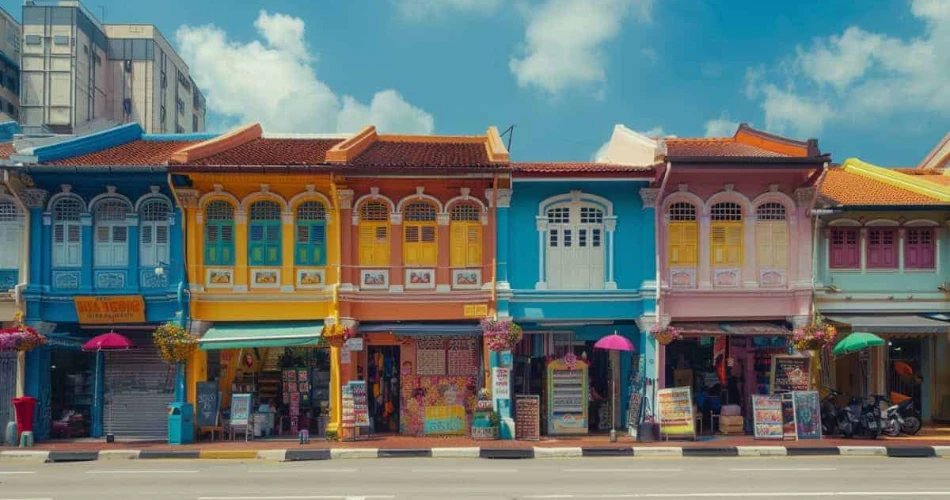
Chinatown is a fascinating blend of heritage and modernity. In the 19th century, it was home to Chinese immigrants who came seeking better lives, and today it remains a vibrant cultural hub. Its narrow streets are lined with restored shophouses, bustling markets, and traditional temples sitting alongside hip cafés and boutiques.
What to See in Chinatown
Buddha Tooth Relic Temple & Museum: This stunning Tang-style temple holds a sacred relic believed to be the Buddha’s tooth. Visitors can explore the museum floors filled with Buddhist artifacts and enjoy peaceful views from the rooftop garden.
Sri Mariamman Temple: Built in 1827, Singapore’s oldest Hindu temple is famous for its colorful gopuram (tower), decorated with intricate sculptures of deities.
Chinatown Heritage Centre: Step back in time to see how early Chinese settlers lived in cramped conditions while building their livelihoods.
Where to Eat in Chinatown
For food lovers, Chinatown is paradise. Maxwell Food Centre is a must-visit for the renowned Tian Tian Hainanese Chicken Rice. Walk along Chinatown Food Street for satay, char kway teow, and dim sum. If you visit during Chinese New Year, the streets transform into a glowing festival of red lanterns and festive stalls.
Travel Tip: Visit in late afternoon to browse shops, then stay for dinner when the lanterns light up. For souvenirs, check out Pagoda Street for Chinese tea sets, traditional crafts, and silk goods.
Little India: A Celebration of Color and Flavor
If Chinatown is graceful and historic, Little India is loud, colorful, and bursting with energy. This neighborhood immerses you in the vibrant sights, sounds, and scents of Singapore’s Indian community. From spice markets to gold jewelry shops, every corner is alive with tradition and culture.
What to See in Little India
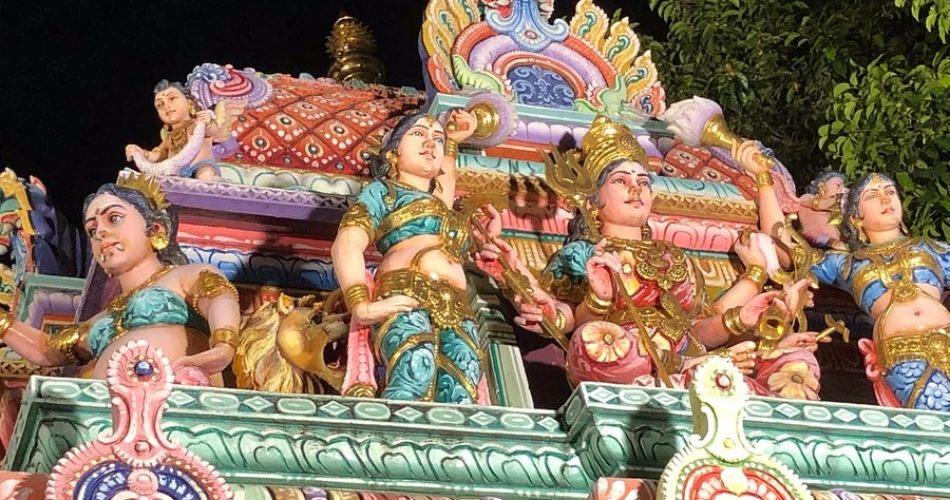
Sri Veeramakaliamman Temple: Dedicated to Goddess Kali, this temple’s brightly painted towers and statues are a feast for the eyes and an important spiritual landmark.
Tekka Centre: A bustling wet market and hawker centre where you can find fresh flowers, saris, spices, and delicious local meals at affordable prices.
Indian Heritage Centre: A sleek, modern museum that tells the story of Singapore’s Indian diaspora through fascinating exhibitions and artifacts.
Where to Eat in Little India
Food is the heart of this district. Enjoy banana leaf meals at Banana Leaf Apolo, vegetarian fare at Komala Vilas, or mutton biryani at Tekka Centre. Don’t miss sweet treats like gulab jamun or ladoo from local sweet shops.
Travel Tip: Visit during Deepavali (Diwali) to see Serangoon Road illuminated with stunning lights and cultural performances. Even outside the festival season, Little India is lively year-round and makes for a fantastic evening stroll.
Kampong Glam: Malay Heritage Meets Modern Creativity
Kampong Glam is Singapore’s historic Malay-Arab quarter, once home to Malay royalty and now a thriving neighborhood that blends tradition with contemporary culture. Its narrow streets are filled with colorful murals, independent boutiques, and cafés, all surrounding the majestic Sultan Mosque.
What to See in Kampong Glam
Sultan Mosque (Masjid Sultan): Built in 1824, this iconic golden-domed mosque is a spiritual and architectural masterpiece. Visitors are welcome to admire its design and learn about Singapore’s Muslim heritage.
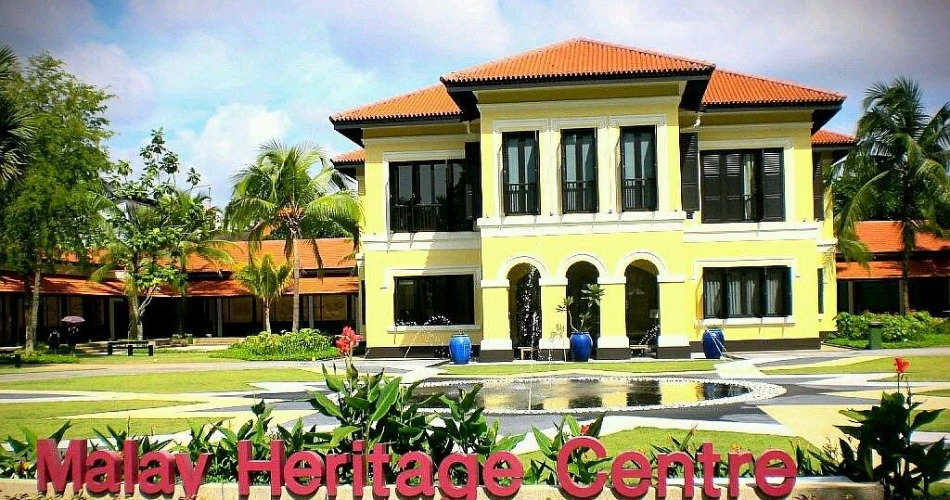
Malay Heritage Centre: Located in the former royal palace, this museum shares the history and traditions of the Malay community through artifacts, photographs, and cultural programs.
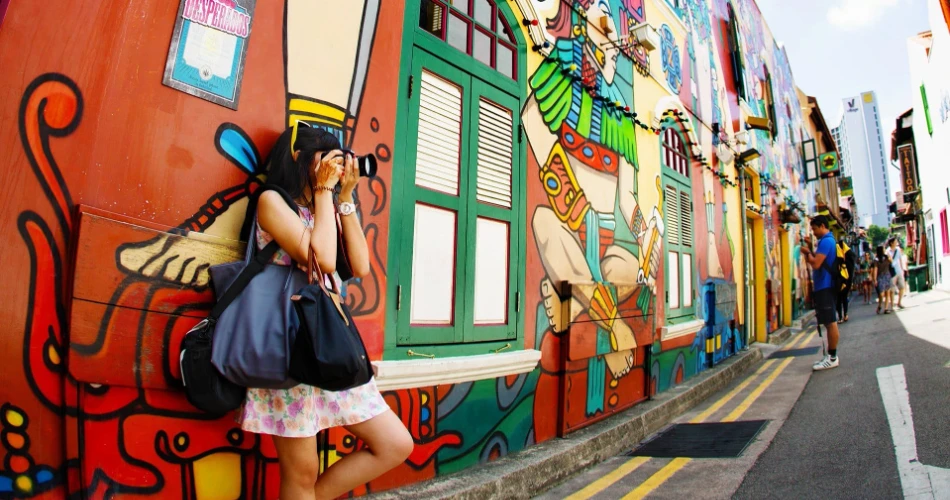
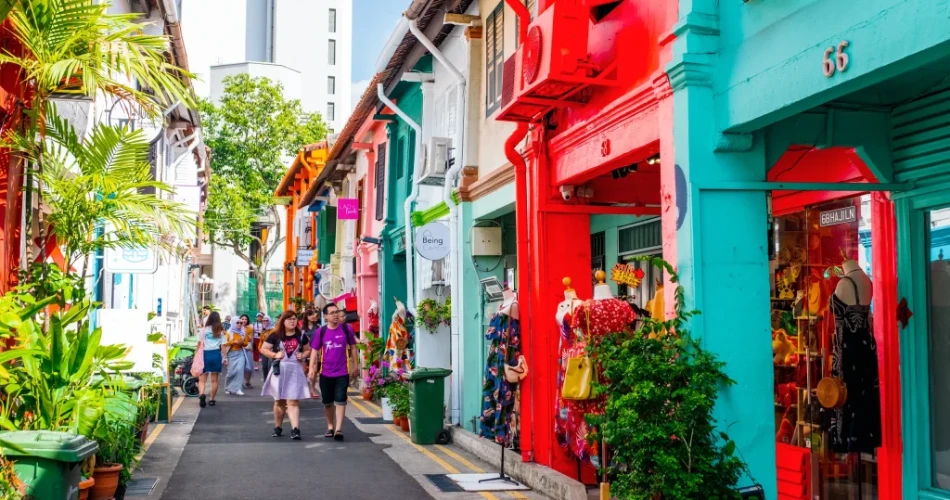
Haji Lane: Known for its vibrant street art and indie shops, Haji Lane is perfect for fashion lovers, café hoppers, and Instagram enthusiasts.
Where to Eat in Kampong Glam
Taste the fusion of Malay and Middle Eastern flavors at Zam Zam Restaurant, famous for its hearty murtabak, or try nasi lemak at Kampong Glam Café. Traditional drinks like teh tarik (pulled tea) add to the experience.
Travel Tip: During Ramadan, the streets around Sultan Mosque come alive with festive night bazaars offering delicious snacks and handmade crafts. Even outside of Ramadan, the area remains lively and photogenic throughout the day.
Planning Your Visit: Practical Tips
Getting Around
Singapore’s MRT system makes it easy to explore all three districts:
Chinatown MRT Station (NE4/DT19) for Chinatown
Little India MRT Station (NE7/DT12) for Little India
Bugis MRT Station (EW12/DT14) for Kampong Glam
Best Time to Visit
Morning: Quieter streets and better lighting for photography.
Evening: Lively atmosphere, open markets, and illuminated streets.
Budget-Friendly Options
Join free or tip-based walking tours to learn from knowledgeable local guides.
Eat at hawker centres like Maxwell Food Centre or Tekka Centre for authentic, affordable meals.
Final Thoughts
To truly experience Singapore, you must experience Chinatown, Little India, and Kampong Glam. Stroll through historic streets, visit sacred temples and mosques, taste authentic dishes, and connect with the people who keep these traditions alive. Whether you’re savoring biryani in Little India, exploring Haji Lane’s murals, or enjoying a lantern-lit dinner in Chinatown, these neighborhoods will leave you with lasting memories.
These cultural gems offer a deeper understanding of Singapore beyond its modern skyline. They are vibrant, authentic, and endlessly rewarding to explore—proof that the city’s past and present can coexist beautifully.