

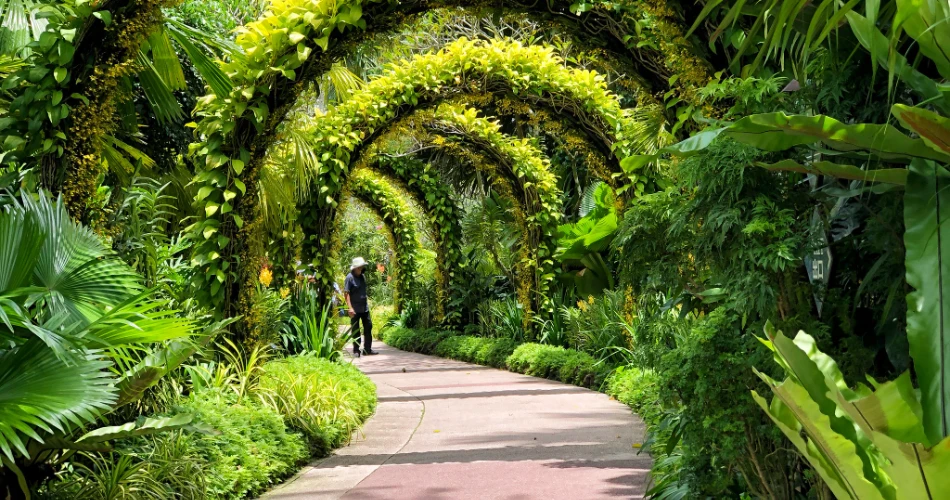
Singapore is celebrated as the Garden City, but its crown jewel is undeniably the Singapore Botanic Gardens. Recognized as Singapore’s first UNESCO World Heritage Site in 2015, this 82-hectare oasis is a harmonious blend of nature, history, and research. Whether you’re a casual visitor or a passionate nature enthusiast, this green sanctuary offers an unforgettable experience.
The Remarkable History of Singapore Botanic Gardens
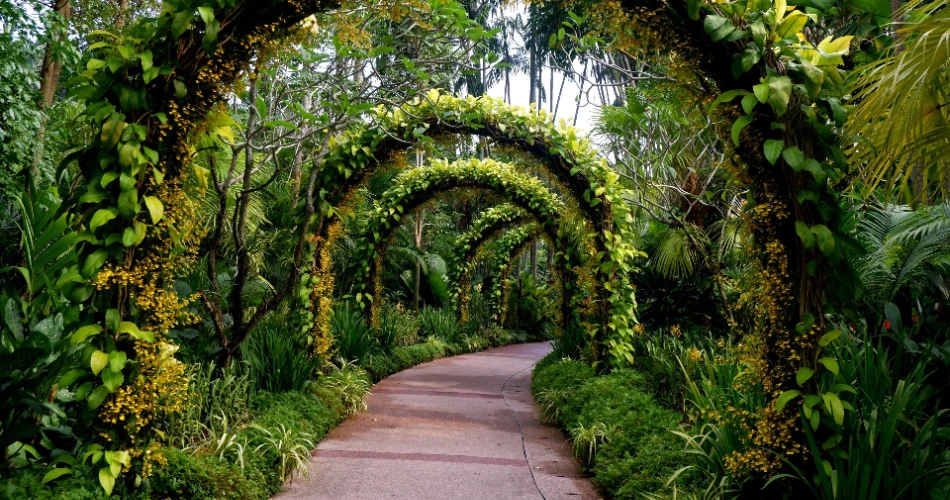
Founded in 1859, the Singapore Botanic Gardens began as a horticultural research center. Over the decades, it became instrumental in transforming Southeast Asia’s rubber industry and advancing botanical knowledge. Its recognition as a UNESCO World Heritage Site reflects its cultural and scientific significance.
Walking through its grounds feels like stepping back in time — a rare glimpse into Singapore before urbanization. The gardens embody the nation’s vision to integrate nature with modern living.
What Makes It a UNESCO World Heritage Site?
The gardens earned UNESCO status for their outstanding universal value:
Historic contributions to agriculture: The development of rubber cultivation techniques here boosted economies across Asia.
Living biodiversity: It is home to over 10,000 plant species, making it one of the richest tropical gardens in the world.
Cultural significance: Its carefully preserved landscapes reflect Singapore’s colonial heritage and scientific achievements.
Top Attractions to Explore Inside the Gardens
National Orchid Garden – The Pride of Singapore
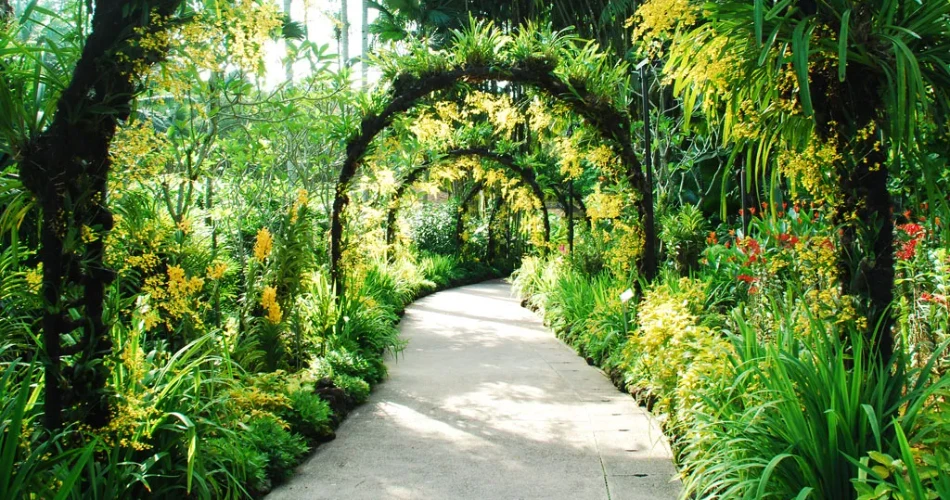
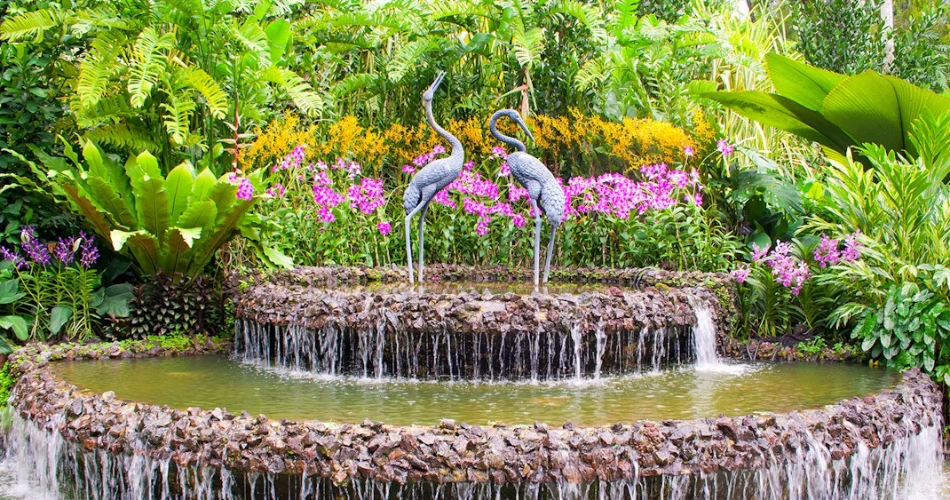
With over 1,000 species and 2,000 hybrids, the National Orchid Garden is a floral wonderland. Its vibrant displays feature rare orchids and a VIP collection named after world leaders and celebrities.
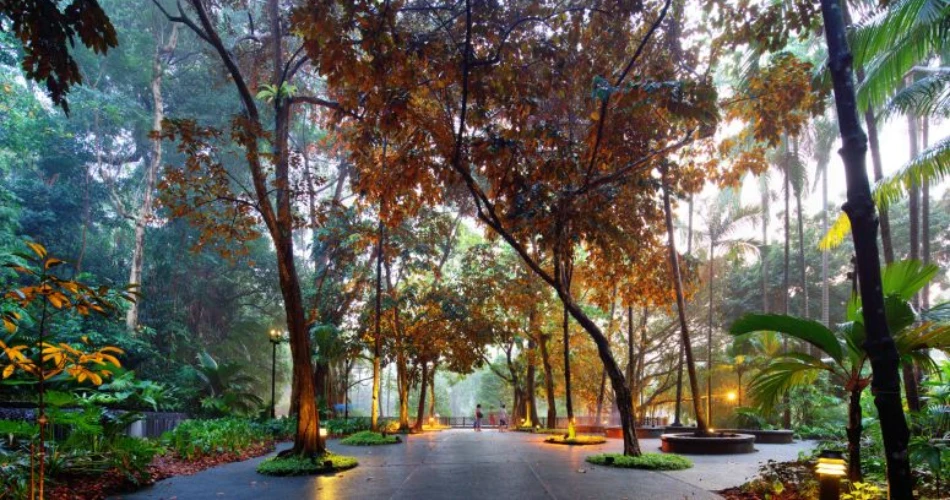
Rainforest – A Glimpse of the Old World
The six-hectare primary rainforest predates the gardens and offers an authentic view of Singapore’s original landscape. Elevated paths make exploring easy and educational.
Jacob Ballas Children’s Garden – Fun for Families
This garden is designed for kids to learn about nature through play, featuring interactive exhibits, farm plots, and water play areas.
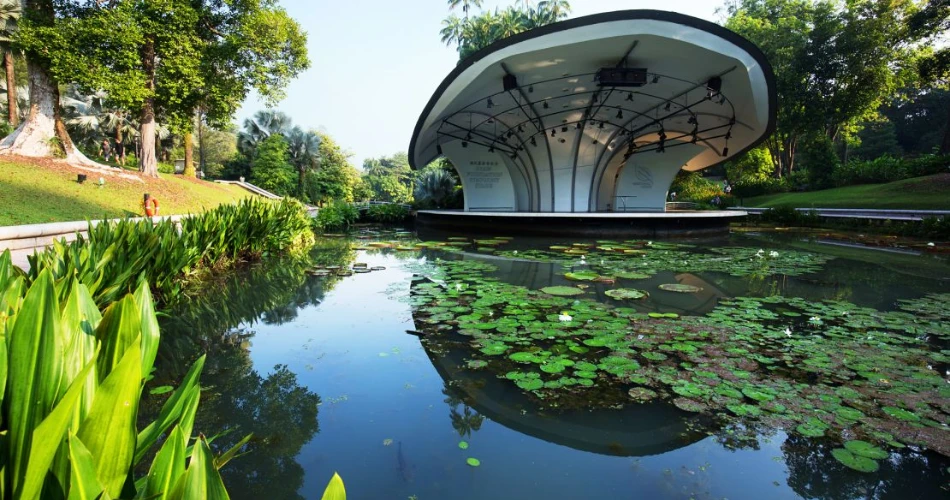
Symphony Lake – Music in the Park
Relax at the Shaw Foundation Symphony Stage, which hosts free weekend concerts in a picturesque lakeside setting.
Ginger Garden and Healing Garden – Plants with a Purpose
Learn about the culinary and medicinal uses of plants. These gardens highlight traditional Asian remedies and spice cultivation.
Educational Experiences and Guided Tours
The Botanic Gardens aren’t just beautiful — they’re a hub for learning. Guided tours, workshops, and exhibitions teach visitors about conservation, botany, and Singapore’s natural heritage. The Heritage Museum and CDL Green Gallery offer deeper insights into the gardens’ role in science and sustainability.
Best Times to Visit Singapore Botanic Gardens
Early morning (5 a.m. – 9 a.m.): Cooler temperatures and peaceful surroundings.
Late afternoon (4 p.m. – 7 p.m.): Perfect for photography as the sun sets.
Weekends: Attend free concerts or family events, though expect more crowds.
Dining Options Inside and Around the Gardens
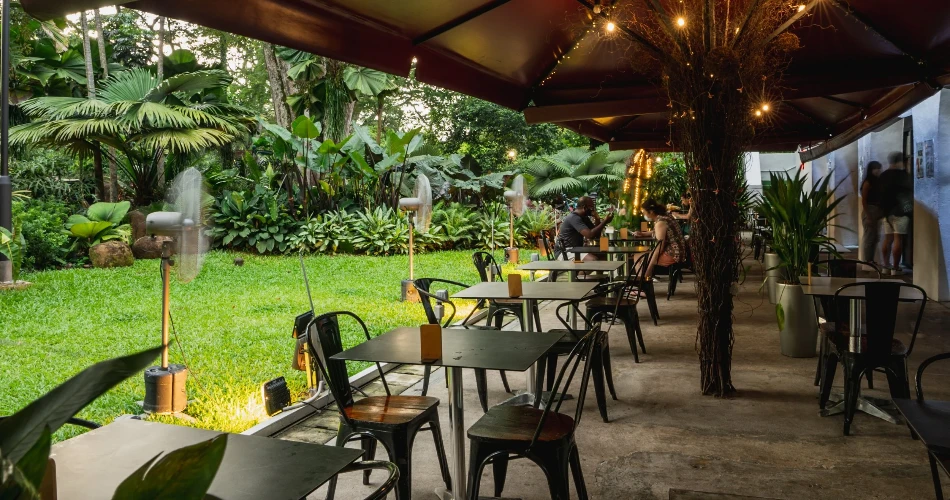
The Halia: Upscale dining in the Ginger Garden with Asian-European fusion dishes.
Bee’s Knees Café: A casual spot at The Garage for light meals and coffee.
Corner House: Michelin-starred fine dining inspired by the gardens’ biodiversity.
Conclusion
The Singapore Botanic Gardens UNESCO World Heritage Site is more than a park — it’s a vibrant living museum that combines nature, history, and science. Whether you’re exploring its iconic orchid displays, relaxing by the Symphony Lake, or learning about tropical ecosystems, the gardens promise an enriching experience.
With free entry, world-class attractions, and easy access by public transport, there’s no reason to miss this tropical treasure on your next trip to Singapore.